


How to Stop a Dog Pulling on the Leash (Force-Free)
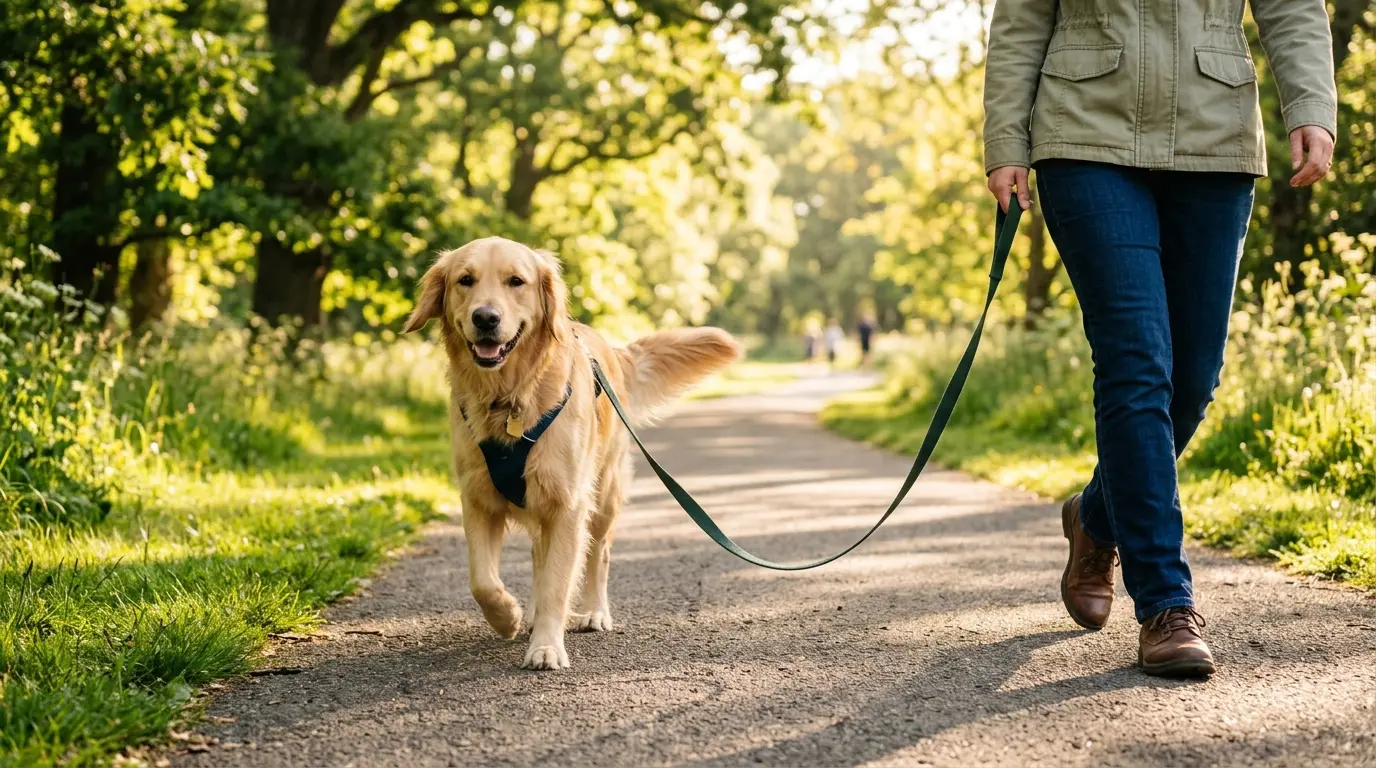
If walking your dog feels more like being towed down the street, you’re not alone — pulling on the leash is one of the most common frustrations owners bring to trainers. The good news: dogs don’t pull to be “dominant” or stubborn. Once you understand why it happens, the fix is calm, force-free, and something you can start on your very next walk.
Why does my dog pull on the leash?
Pulling isn’t bad behavior — it’s the most natural thing in the world for your dog. A few reasons it happens:
- The world is exciting and they want to get to it. Sniffs, other dogs, that interesting lamppost — your dog is simply moving toward what they want, faster than you walk.
- Pulling works. This is the big one. Every time your dog pulls and the walk continues in that direction, they learn that pulling gets them where they want to go. The behavior is being rewarded on almost every walk.
- The opposition reflex. Dogs have a built-in instinct to push against pressure. When they feel the leash tighten, their body naturally leans into it — so a tight leash actually encourages more pulling.
- Pent-up energy. A dog who hasn’t had enough physical and mental exercise hits the street like a coiled spring.
The key takeaway: a tight leash teaches pulling, and a loose leash teaches calm walking. Everything below builds on that one idea.
What you’ll need
You don’t need any harsh equipment — in fact, choke, prong, and shock collars are counterproductive and can hurt your dog. Reach for:
- A well-fitted harness (a front-clip harness gives you extra gentle steering if your dog is strong).
- A standard 1.2–1.8 m (4–6 ft) leash — not a retractable one, which teaches a dog that pulling extends their range.
- A pouch of small, soft, high-value treats your dog goes crazy for.
- Patience. You’re changing a habit that’s been rewarded hundreds of times, so progress comes in walks, not minutes.
The core method: a loose leash pays, a tight leash stops
Loose-leash walking comes down to flipping the lesson your dog has already learned. Right now, pulling moves them forward. We’re going to make the opposite true.
- Start in a boring, low-distraction place — your living room, hallway, or garden. Don’t begin on the most exciting street in the neighborhood.
- Reward the position you want. Whenever your dog is beside you with a loose, J-shaped leash, mark it (“yes!” or a clicker) and feed a treat at your leg. You’re paying them for being in the right spot.
- Stop the moment the leash goes tight. Become a “tree” — stand completely still and say nothing. The walk only continues when there’s slack again.
- Wait for slack, then move on. When your dog eases the tension — even by turning to look at you — mark, reward, and walk on. Moving forward becomes the reward for a loose leash.
- Add the real world gradually. Once it’s working indoors, take it to the garden, then a quiet street, then busier places. Each new environment is harder, so expect to drop back a step.
Two variations make the “tree” even clearer for fast learners:
- The about-turn. Instead of just stopping, calmly turn and walk the other way when the leash tightens. Your dog learns that pulling sends them away from the exciting thing.
- The lure back. Use a treat at your knee to guide your dog back into position, reward, and carry on.
Be consistent — this is where most people slip
The single biggest reason loose-leash training stalls is inconsistency. If pulling works even one walk in three, your dog will keep trying it — intermittent rewards are the most powerful kind.
That means: no letting them drag you to the park because you’re in a hurry today. If you genuinely don’t have time to train, use a front-clip harness to manage the walk and save the training for when you can be consistent. Just don’t let the pulling pay off.
Don’t forget the sniffs
Walks aren’t only about getting from A to B — for your dog they’re a chance to read the daily “newspaper” through their nose. A dog who never gets to sniff is a frustrated dog who pulls harder.
Build sniffing into the deal. A simple cue like “go sniff” that releases your dog to investigate becomes a fantastic reward in itself: loose-leash walking earns the freedom to sniff. Everyone wins.
Troubleshooting common snags
| The problem | What’s likely going on | Try this |
|---|---|---|
| Works at home, falls apart outside | The environment is too distracting too soon | Drop back to an easier setting and build up slowly |
| Stops, then lunges again instantly | Treats aren’t valuable enough to compete | Use higher-value rewards; increase distance from the trigger |
| Pulls hardest at the start of the walk | Too much pent-up energy and excitement | Do a minute of calm focus games before you set off |
| Fine on the way out, pulls all the way home | Going home is less rewarding than the walk | Make the route home rewarding too — sniffs, treats, praise |
Be patient with yourself and your dog
Loose-leash walking is genuinely one of the harder skills to teach, because the distractions are everywhere and the habit runs deep. Expect a few weeks of short, consistent sessions rather than an overnight transformation. Keep early walks short and successful, end on a good note, and celebrate the small wins — three steps of slack leash is real progress.
Never yank, jerk, or punish the pulling. It damages trust, can hurt your dog’s neck, and makes walks something to dread for both of you. Calm consistency always beats force.
Make every walk easier with Ruffy
Loose-leash walking clicks faster when you train the right way, in the right order. Inside the Ruffy app, you’ll find step-by-step, force-free lessons on leash skills, focus, and impulse control — broken into a few easy minutes a day, with guidance for exactly the snags above.
Download Ruffy free and turn the daily walk back into the best part of your dog’s day. 🐾
Keep reading
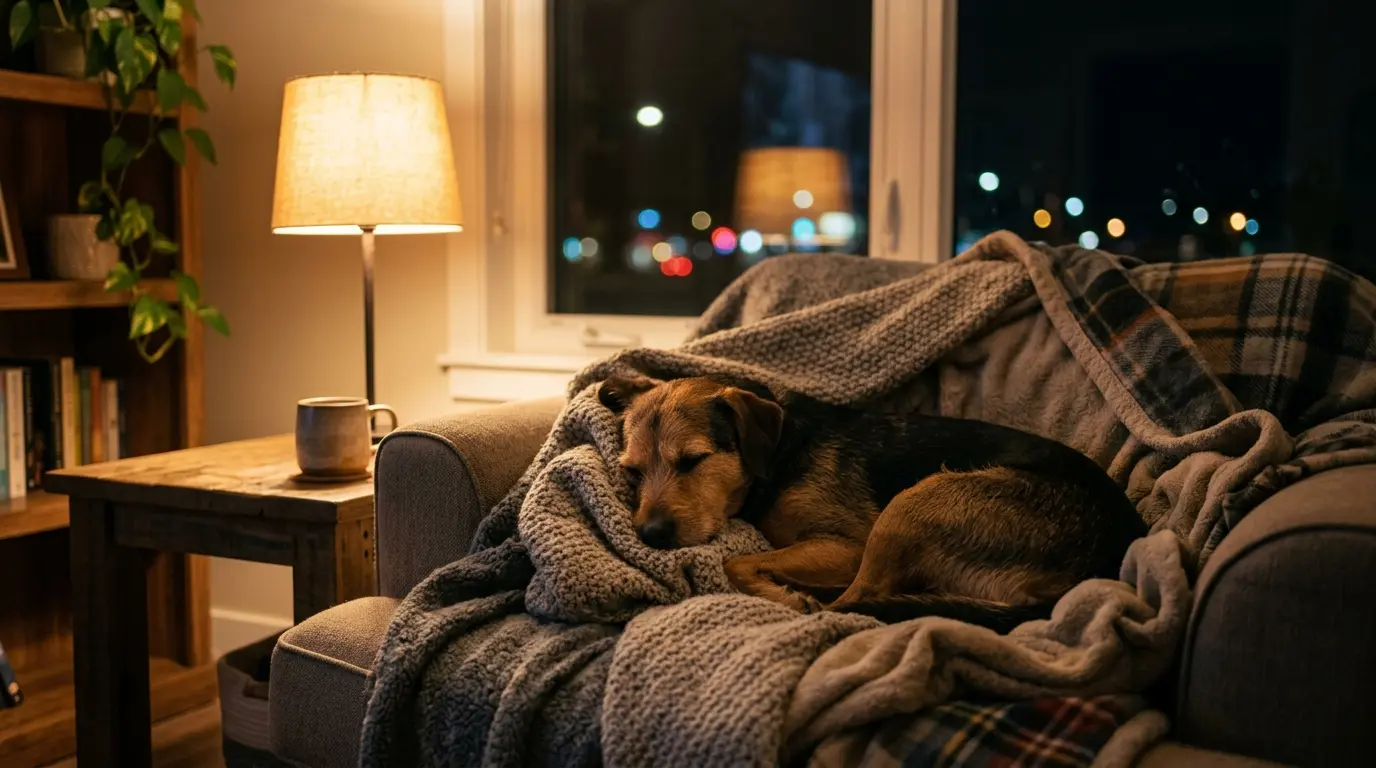
Why Is My Dog Scared of Fireworks? (And How to Help)
Why fireworks terrify so many dogs — and what actually helps. A calm, force-free guide to preparing your home, soothing your dog in the moment, and easing the fear long term.
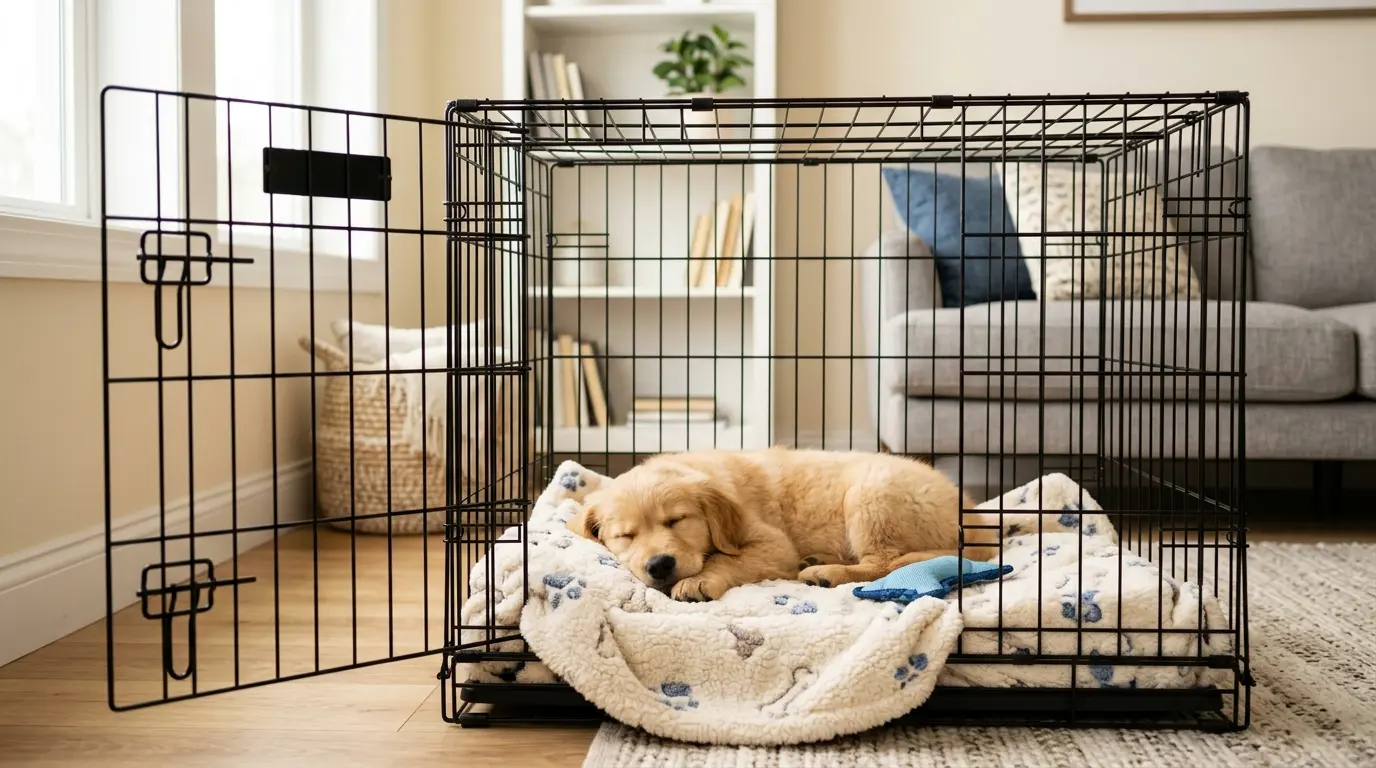
How to Crate Train a Puppy: A Calm, Step-by-Step Guide
Learn how to crate train your puppy the gentle way. A vet-informed, step-by-step plan to build a safe den, stop the whining, and make the crate your puppy's favorite place.
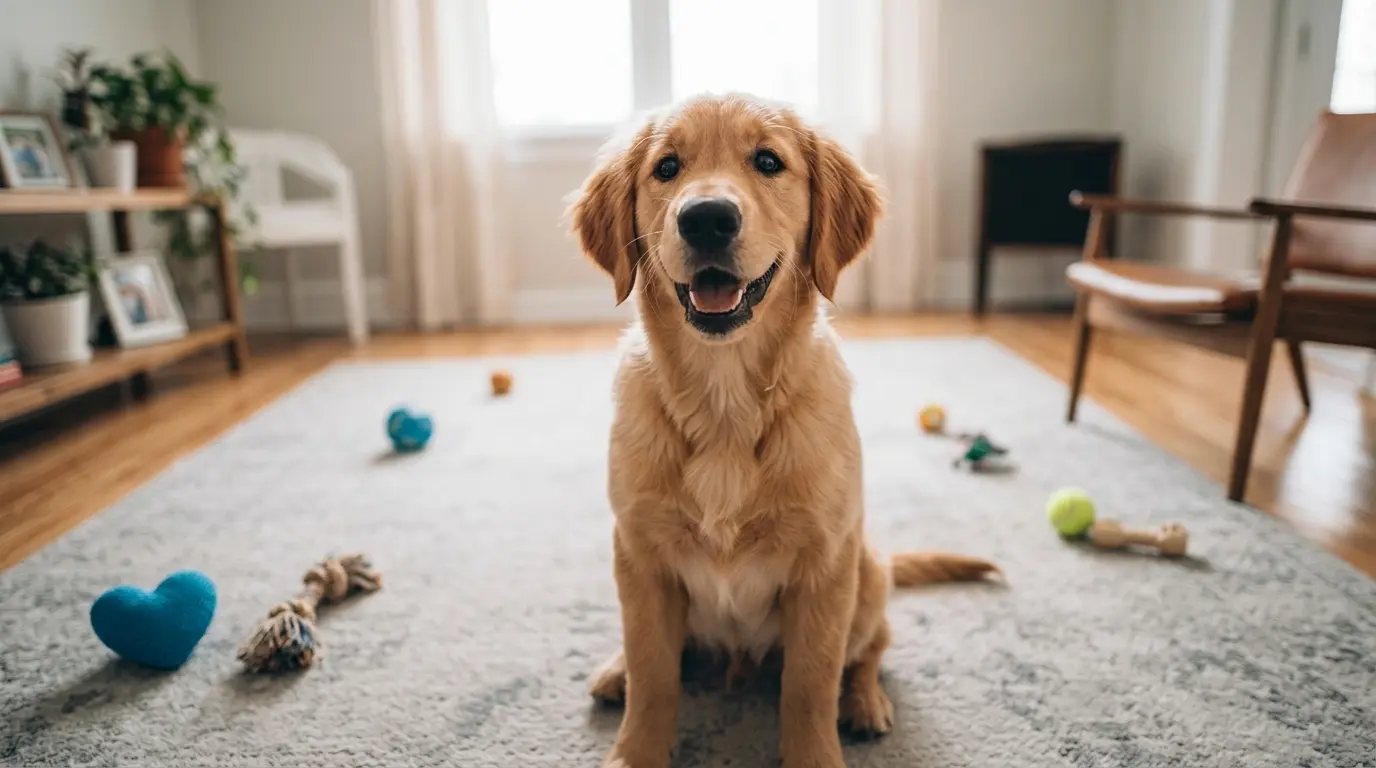
How to Potty Train a Puppy: A Complete Step-by-Step Guide
Learn how to potty train your puppy fast with this vet-informed, step-by-step guide. Build a routine, prevent accidents, and use positive reinforcement that actually works.